
Solar Energy Companies in India (2026): How to Choose a Reliable Solar Partner for Your Home or Business
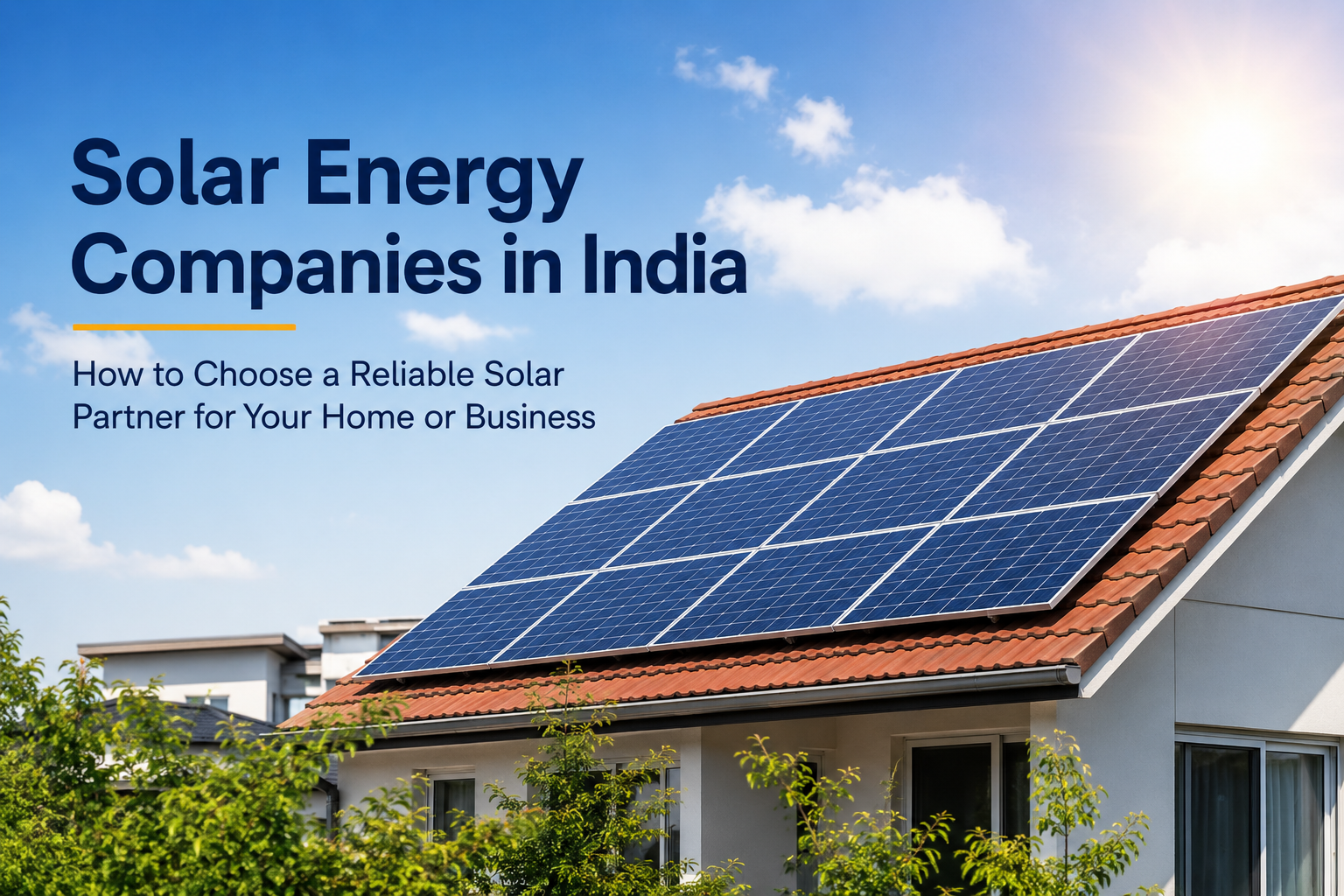
Why Choosing the Right Solar Company Matters More Than Ever in 2026
India’s solar industry is growing rapidly, and more homeowners and businesses are switching to clean energy to reduce rising electricity costs. But with hundreds of solar energy companies in India offering similar promises, choosing the right partner has become one of the biggest challenges for buyers.
A solar system is a long-term investment. The quality of installation, the type of solar panels used, after-sales support, and the company’s technical expertise all directly impact your savings and system performance for the next 20–25 years.
In this guide, you’ll learn what separates a reliable solar partner from the rest, what questions to ask before installation, and how to avoid common mistakes when choosing a solar provider in India.
What Makes the Best Solar Company in India Stand Out?
Not all solar companies operate at the same standard. Some focus only on quick sales, while experienced providers focus on system performance, safety, and long-term customer support.
Here are the key qualities that reliable solar companies consistently demonstrate:
1. Strong Industry Experience
An experienced solar company understands how different roof types, weather conditions, and energy consumption patterns affect solar performance.
For example, a rooftop solar setup in Maharashtra may require different panel angles and inverter configurations compared to systems installed in Rajasthan or Kerala due to climate variations.
Look for companies that have:
- Multiple completed projects
- Experience with residential and commercial installations
- Certified engineers and trained installation teams
- Knowledge of local electricity regulations and subsidy processes
Internal linking opportunity: Link to a “Residential Solar Installation Process” guide.
2. High-Quality Solar Components
The performance of a solar system depends heavily on the quality of its components.
Reliable providers typically use:
- Tier-1 solar panels
- High-efficiency inverters
- Durable mounting structures
- Proper wiring and safety equipment
Low-cost systems may look attractive initially, but poor-quality panels often degrade faster and produce lower energy output over time.
When comparing quotes, ask:
- Which panel brand is being used?
- What is the panel efficiency?
- What warranties are included?
- Is the inverter suitable for future expansion?
A trustworthy company explains these details clearly instead of focusing only on pricing.
Why Proper Site Assessment Is Critical Before Installation
One of the biggest mistakes many buyers make is selecting a company that skips proper site evaluation.
A professional solar assessment should include:
- Roof strength analysis
- Shadow analysis
- Electricity consumption review
- Space availability
- Future energy needs
- Local DISCOM compliance checks
Without these checks, even expensive systems may underperform.
For example, partial shading from nearby buildings or water tanks can significantly reduce solar output if panel placement is not planned correctly.
The best solar company in India will always prioritize system design accuracy over quick installation timelines.
Understanding Solar Panel for Home Requirements
Every home has different electricity usage patterns, which means there is no “one-size-fits-all” solar solution.
Before installing a solar panel for home use, homeowners should evaluate:
Monthly Electricity Consumption
Your average monthly electricity bill helps determine the ideal system size.
Typical examples:
- 1–2 BHK home: 2kW to 3kW system
- Medium family home: 3kW to 5kW system
- Large villa or high-usage home: 5kW to 10kW+
Roof Space Availability
A standard 1kW rooftop solar system generally requires around 80–100 sq. ft. of shadow-free area.
Future Appliance Usage
If you plan to add EV charging, air conditioners, or heavy appliances later, the solar system should be designed with future expansion in mind.
Reliable solar companies discuss long-term energy planning instead of recommending oversized or undersized systems.
After-Sales Support Is Often More Important Than Installation
Many customers only evaluate pricing during purchase, but after-sales service is equally important.
A good solar company should provide:
- Regular maintenance guidance
- Performance monitoring support
- Fast issue resolution
- Warranty assistance
- Annual system inspections
Solar systems generally require minimal maintenance, but inverter issues, loose wiring, or monitoring problems can occasionally occur.
Companies with dedicated support teams usually deliver better long-term customer satisfaction compared to vendors who disappear after installation.
Government Subsidies and Compliance in India
In 2026, rooftop solar adoption in India continues to benefit from government initiatives and subsidy programs, especially for residential users.
However, subsidy eligibility often depends on:
- Approved solar components
- DISCOM registration
- Proper installation standards
- Net metering approval
Reliable solar energy companies in India help customers navigate:
- Documentation
- Net metering applications
- Subsidy paperwork
- Safety approvals
This reduces delays and prevents compliance-related problems later.
Common Red Flags to Avoid When Choosing a Solar Company
Before finalizing a solar partner, watch out for these warning signs:
Unrealistic Savings Claims
No company can guarantee “zero electricity bills” for every customer. Actual savings depend on consumption patterns, weather conditions, and system usage.
Extremely Low Pricing
Very cheap systems often use lower-grade panels or inexperienced installation teams.
Lack of Technical Transparency
If a company avoids discussing warranties, panel brands, or system design details, proceed carefully.
No Physical Presence or Support Team
A reliable company should have a verifiable office location, customer support process, and installation portfolio.
How Reliable Solar Companies Build Long-Term Value
The right solar company doesn’t just install panels. They help customers achieve:
- Lower long-term electricity costs
- Better energy independence
- Improved property value
- Sustainable energy usage
- Reliable system performance for decades
For businesses, commercial solar solutions can also improve operational cost efficiency and support ESG goals.
As electricity prices continue to rise across India, investing in quality solar infrastructure becomes increasingly important.
FAQs
How do I choose the best solar company in India?
Look for companies with proven experience, quality products, proper certifications, transparent pricing, and reliable after-sales support. Avoid choosing solely based on the lowest price.
How long does a rooftop solar system last?
Most high-quality solar panels last 25 years or more. Inverters may require replacement after 8–12 years depending on usage and brand quality.
Is solar worth it for Indian homes in 2026?
Yes. Rising electricity costs, improved solar technology, and government incentives make rooftop solar a valuable long-term investment for many Indian households.
How much roof area is needed for solar panels?
On average, a 1kW solar system requires approximately 80–100 square feet of shadow-free rooftop space.
Do solar panels work during monsoon season?
Yes. Solar panels still generate electricity during cloudy weather, although output may reduce temporarily compared to sunny days.
Conclusion
Choosing among the many solar energy companies in India requires more than comparing prices. A reliable solar partner focuses on system quality, accurate installation, long-term performance, and customer support.
Whether you are planning a solar panel for home installation or exploring commercial solar solutions, investing time in selecting the right company can significantly improve your long-term savings and system efficiency.
Before making a decision, review the company’s experience, product quality, warranties, and support process carefully. A well-designed solar system can deliver dependable energy benefits for decades.
If you’re planning to switch to solar, consider speaking with experienced professionals who can assess your energy needs and recommend the right solution for your property.

Evolve Energy