
Solar Inverters for Indian Weather: How Heat and Dust Affect Performance
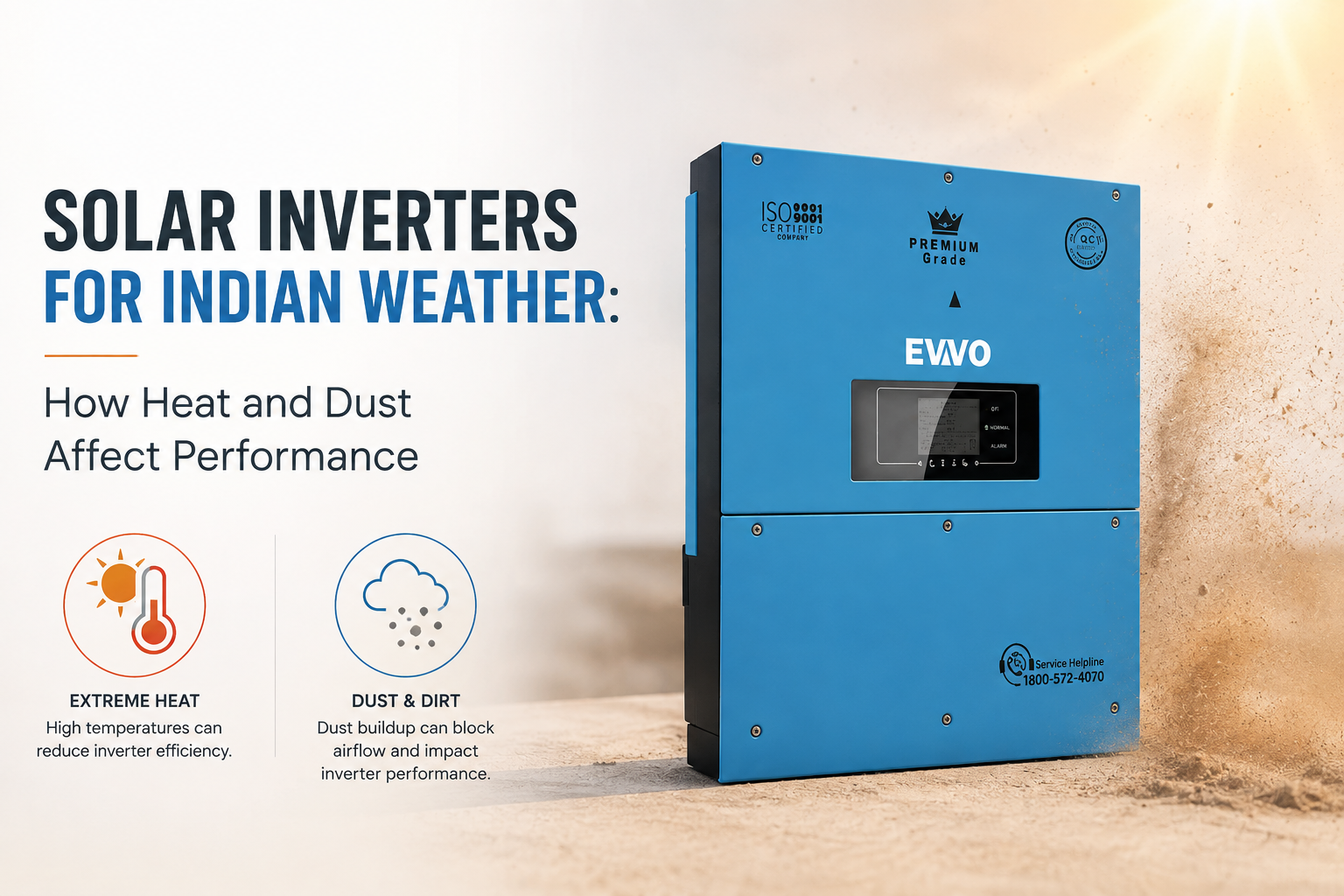
India offers excellent solar potential, but solar equipment must work through challenging weather conditions. High temperatures, dust, humidity and changing seasons can all affect solar system performance.
The solar inverter plays a key role in this system. It converts the DC electricity generated by solar panels into AC electricity that homes, businesses and other facilities can use.
But what happens when an inverter operates in extreme heat or collects dust?
High temperature can reduce inverter efficiency and may cause thermal stress, while dust can restrict airflow and increase the need for cleaning and maintenance. Choosing the right equipment, installing it correctly and following a regular maintenance plan can help maintain reliable performance.
For this reason, choosing an experienced solar inverter manufacturer in India matters when planning a rooftop or commercial solar installation.
In this guide, we explain how Indian weather affects solar inverters and what buyers should consider before selecting one.
How Does Indian Weather Affect Solar Inverter Performance?
Solar inverters work outdoors or in areas exposed to environmental conditions. Their performance depends on factors such as:
- Ambient temperature
- Direct sunlight
- Dust and dirt
- Humidity
- Ventilation
- Installation location
- Enclosure protection
- Maintenance
Among these, heat and dust are two important factors for many Indian installations.
A well-designed inverter should manage its operating temperature and protect internal components from the surrounding environment.
How Does Heat Affect a Solar Inverter?
1. High Temperature Can Reduce Efficiency
Solar inverter electronics generate heat during operation. When the surrounding temperature also rises, the inverter has less ability to release that heat.
As the temperature increases, some inverters may reduce their output to protect internal components. This process, often called thermal derating, helps prevent excessive heat from damaging the equipment.
For a solar installation in a hot region, buyers should therefore look beyond the basic power rating.
Ask:
- What is the inverter’s operating temperature range?
- How does it perform at high ambient temperatures?
- Does the manufacturer specify thermal derating?
- How does the cooling system work?
- Where should the inverter be installed?
These questions can help you select an inverter that suits the local climate.
2. Direct Sunlight Can Increase Inverter Temperature
Installing an inverter directly under strong sunlight can increase its operating temperature.
For outdoor installations, choose a suitable location that provides:
- Good airflow
- Protection from direct sunlight where possible
- Protection from rain and water exposure
- Adequate clearance around the equipment
- Easy access for inspection and maintenance
A shaded and well-ventilated installation area can help the inverter manage heat more effectively.
How Does Dust Affect Solar Inverter Performance?
Dust is common in many parts of India, particularly in dry and industrial areas.
Dust can enter or collect around equipment depending on its design and installation environment. Heavy dust accumulation can affect ventilation and cooling.
Common problems include:
- Blocked air passages
- Reduced cooling performance
- Increased operating temperature
- Dirt around vents and surfaces
- Higher maintenance needs
This does not mean dust will automatically damage every inverter. The impact depends on the inverter’s enclosure design, installation conditions and maintenance.
What Is an IP Rating and Why Does It Matter?
When choosing a solar inverter, you may come across an IP rating.
IP stands for Ingress Protection. The rating indicates the level of protection an enclosure provides against the entry of solids and liquids.
For example, an inverter designed for outdoor use may require a suitable IP rating for its installation environment.
However, a higher IP rating alone does not mean an inverter will perform better in every situation.
You should also consider:
- Operating temperature
- Cooling design
- Installation environment
- Product quality
- Maintenance requirements
- Manufacturer specifications
Always check the manufacturer’s technical documentation before selecting a product.
Heat and Dust Can Work Together
One important point often gets overlooked.
Heat and dust do not always act separately.
If dust builds up around cooling areas, it can affect airflow. At the same time, high ambient temperatures increase the amount of heat the inverter needs to manage.
This combination can make thermal management more challenging.
That is why proper installation and routine inspection matter just as much as inverter specifications.
How Can You Protect a Solar Inverter From Indian Heat and Dust?
You do not need to completely eliminate environmental exposure. Instead, focus on good system design and maintenance.
1. Choose the Right Installation Location
Install the inverter in a location with adequate ventilation and suitable protection from harsh weather.
Avoid unnecessarily placing it in areas with:
- Constant direct sunlight
- Poor airflow
- Heavy dust
- Excessive moisture
- Heat from nearby machinery
2. Maintain Adequate Clearance
Do not place objects directly around the inverter.
The equipment needs sufficient space for heat dissipation and maintenance access.
Follow the manufacturer’s installation instructions for the required clearance.
3. Inspect the Inverter Regularly
A simple inspection can help identify problems early.
Check for:
- Dust accumulation
- Unusual noise
- Warning messages
- Error codes
- Visible damage
- Loose connections
- Signs of overheating
If you notice anything unusual, contact a qualified solar professional.
4. Keep Cooling Areas Clean
Dust can build up around ventilation areas over time.
Follow the manufacturer’s cleaning instructions and avoid using methods that could allow water or debris to enter the equipment.
Do not open electrical equipment unless you have the required technical skills and authorization.
5. Monitor System Performance
Modern solar systems can provide useful performance information through monitoring platforms.
Regular monitoring can help identify:
- Unexpected production drops
- Repeated inverter warnings
- Temperature-related issues
- Communication problems
- Performance changes
Early detection can help reduce downtime and make maintenance easier.
What Should You Look for When Choosing a Solar Inverter in India?
If you are purchasing a new solar inverter, consider more than just price.
Operating Temperature
Check the manufacturer’s stated operating temperature range and performance specifications.
Efficiency
Higher conversion efficiency can help reduce energy losses during DC-to-AC conversion.
Cooling Design
Look for a suitable thermal management system for the intended environment.
Enclosure Protection
Check the product’s IP rating and whether it suits your installation conditions.
Monitoring
Smart monitoring can make it easier to track system performance and identify problems.
Safety Features
Look for relevant protection features such as over-voltage, over-current, short-circuit and temperature protection, according to the product specification.
Warranty and Service
A reliable warranty and accessible technical support can make a major difference over the life of the solar system.
Manufacturer Experience
Choose a solar inverter manufacturer in India that can provide clear product specifications, technical support and reliable after-sales service.
Why Choosing the Right Solar Inverter Manufacturer in India Matters
The inverter is a critical part of a solar power system. A poor product choice can create problems with performance, maintenance and long-term reliability.
An established solar inverter manufacturer should be able to provide clear information about:
- Product specifications
- Operating conditions
- Installation requirements
- Protection features
- Efficiency
- Monitoring capabilities
- Warranty
- Technical support
Evolve Energy Group focuses on solar energy solutions designed around the practical requirements of Indian applications.
For buyers, the goal should not simply be to find the cheapest inverter. Instead, choose a product that matches the system size, installation environment, climate and expected operating conditions.
Does Hot Weather Mean Solar Inverters Cannot Perform Well?
No.
Solar inverters can operate effectively in hot climates when the product, installation and system design suit the environment.
The key is to understand the inverter’s operating limits and provide suitable installation conditions.
A well-planned system should consider:
Solar panels → inverter capacity → temperature → ventilation → installation → monitoring → maintenance
Looking at the complete system gives better results than judging the inverter only by its power rating.
How Often Should a Solar Inverter Be Maintained?
There is no single maintenance schedule that works for every installation.
Maintenance needs depend on:
- Local climate
- Dust levels
- Installation location
- Inverter design
- System size
- Operating conditions
- Manufacturer recommendations
A visual inspection and performance monitoring can help identify issues early.
For dusty or industrial locations, inspections may need to happen more often.
Always follow the manufacturer’s maintenance instructions.
Solar Inverter Maintenance Checklist
Use this simple checklist to keep your system in good condition:
- Check the inverter for visible dust buildup.
- Keep the surrounding area clear.
- Check ventilation areas.
- Monitor system output.
- Look for warning messages or error codes.
- Inspect for visible signs of damage.
- Check cables and connections through a qualified technician.
- Follow the manufacturer’s cleaning instructions.
- Schedule professional inspections when required.
- Keep records of maintenance and unusual performance.
Solar Inverters for Different Indian Climates
India has different weather conditions across regions, so inverter selection should reflect the installation location.
Hot and Dry Regions
Focus on:
- Thermal performance
- Ventilation
- Dust protection
- Suitable enclosure
- Regular cleaning
Coastal Areas
Consider:
- Humidity
- Salt exposure
- Corrosion protection
- Suitable enclosure protection
Monsoon Regions
Focus on:
- Water protection
- Correct installation
- Cable management
- Suitable IP rating
- Drainage around the installation area
Industrial Areas
Pay attention to:
- Dust
- Heat
- Air quality
- Ventilation
- Maintenance access
This is why there is no universal “best solar inverter” for every installation. The right product depends on the application and environment.
Common Mistakes to Avoid
Choosing Only on Price
A low purchase price does not always mean lower long-term cost.
Ignoring Installation
Even a good inverter can perform poorly if installed in an unsuitable location.
Blocking Ventilation
Placing equipment too close to walls or other objects can affect airflow.
Skipping Maintenance
Small issues can become larger problems when you ignore them.
Ignoring Manufacturer Specifications
Always check technical documentation before installation.
Selecting the Wrong Capacity
The inverter should match the overall solar system design and expected load.
Quick Guide: Choosing a Solar Inverter for Indian Conditions
| Factor | What to Check |
| Heat | Operating temperature range |
| Dust | Enclosure and installation environment |
| Rain | Suitable protection and installation |
| Humidity | Product suitability for local conditions |
| Efficiency | Conversion efficiency |
| Cooling | Thermal management |
| Monitoring | Remote/system performance tracking |
| Safety | Relevant electrical protection |
| Warranty | Coverage and service support |
Why Evolve Energy Group?
When choosing a solar inverter manufacturer in India, product quality is only one part of the decision.
You also need reliable technical information, suitable system solutions and support throughout the product’s operating life.
Evolve Energy Group can help customers evaluate solar inverter solutions based on their application, system requirements and operating environment.
Instead of choosing an inverter based only on a headline specification, discuss your project requirements with a solar energy professional.
Conclusion
Indian weather can be demanding for solar equipment. High temperatures can increase thermal stress, while dust can affect cooling and maintenance needs.
However, these challenges are manageable with the right product, correct installation and regular monitoring.
If you are planning a rooftop, commercial or industrial solar project, choose a solar inverter manufacturer in India that understands the local operating environment and provides clear technical specifications.
Evolve Energy Group can help you explore solar inverter solutions suited to your project requirements.
Ready to Choose the Right Solar Inverter?
Talk to Evolve Energy Group about your solar project and find a suitable inverter solution for your application.
Explore Solar Inverter Solutions
FAQs
How does heat affect a solar inverter?
High ambient temperatures can increase the inverter’s internal temperature. When temperatures reach certain limits, some inverters may reduce their output to protect internal components.
Does dust reduce solar inverter performance?
Heavy dust can affect ventilation and cooling around an inverter. Regular inspection and suitable installation can help reduce the impact.
What should I look for in a solar inverter for India?
Consider operating temperature, efficiency, cooling, enclosure protection, safety features, monitoring, warranty, service support and the manufacturer’s technical specifications.
What is the best solar inverter for hot climates?
There is no single best inverter for every hot climate. Choose a product with suitable operating-temperature specifications, thermal management and installation requirements for your location.
Why is the manufacturer important when buying a solar inverter?
A reliable manufacturer can provide product specifications, installation guidance, warranty support and technical assistance. These factors can affect long-term system reliability.
Can solar inverters work during very hot weather?
Yes. Solar inverters can operate in hot conditions when their rated operating range, installation environment and thermal management requirements are properly considered.
How can I protect my solar inverter from dust?
Install the inverter in a suitable location, maintain adequate clearance, keep ventilation areas clean according to manufacturer instructions and monitor the system regularly.
How often should a solar inverter be checked?
The ideal schedule depends on the product, environment and manufacturer recommendations. Dusty, hot or industrial locations may require more frequent inspections.

Evolve Energy